The Importance of Reading Stories to Children: Building Bonds and Brains
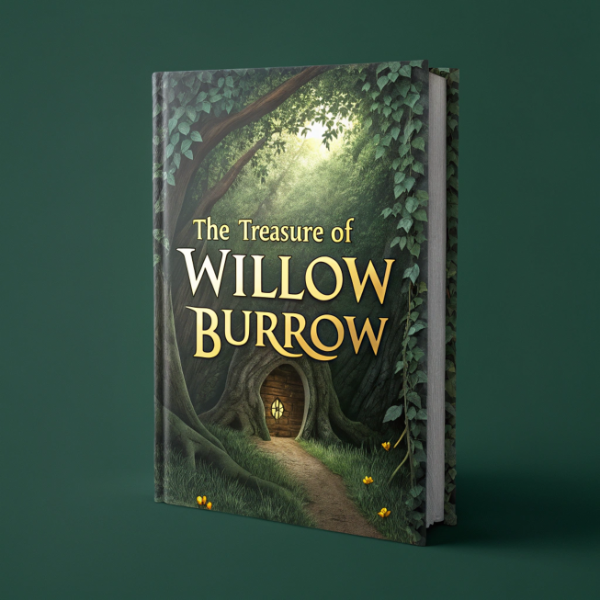
[thrive_link color=’blue’ link=’https://tophassoun.gumroad.com/l/TheTreasureof’ target=’_self’ size=’medium’ align=”]Buy now[/thrive_link]
Introduction
Why storytelling is more than just a bedtime ritual
There’s something deeply magical about the moment a child curls up next to a parent, book in hand, wide-eyed and full of wonder. For many, reading stories to children is a comforting bedtime ritual, a cherished moment of calm before sleep. But the truth is, the impact of storytelling runs far deeper than a simple routine. It’s not just about reading words on a page — it’s about connection, development, and nurturing young minds to grow into compassionate, curious, and confident individuals.
Reading stories isn’t merely about entertainment — it’s one of the most powerful tools parents and caregivers have in their parenting arsenal. Whether it’s a fairy tale, a rhyming picture book, or a whimsical adventure story, reading together fosters not only a love for books but also builds essential skills and emotional intelligence.
Overview of emotional and cognitive benefits for children
Reading stories for children
From brain development to emotional resilience, storytelling plays a vital role in shaping the future of children. It enhances their ability to think critically, communicate effectively, and relate to others. When stories are read aloud, children aren’t just absorbing language — they’re making sense of the world around them. They learn about emotions, morality, different cultures, and problem-solving through the adventures and dilemmas of characters.
But perhaps most importantly, reading with a child fosters a powerful emotional bond. In today’s fast-paced, screen-heavy world, it carves out precious time for togetherness. It allows children to feel valued and heard, offering them the safety and love they need to grow.
Strengthening Emotional Bonds Through Storytelling

[thrive_link color=’blue’ link=’https://tophassoun.gumroad.com/l/TheTreasureof’ target=’_self’ size=’medium’ align=”]Buy now[/thrive_link]
Creating one-on-one quality time
One of the most underrated but profound benefits of reading to children is the opportunity it provides for uninterrupted quality time. Life can be chaotic — between work, chores, and screens, carving out a few quiet moments for a story can become a sacred ritual. This dedicated one-on-one time makes children feel secure and loved. They learn that their thoughts and questions are worth your attention.
When a parent pauses to read a book, it signals to the child that they matter. It sends the message: “I’m here, just for you.” This moment of connection helps build a trusting relationship, one where the child feels safe to explore emotions and express themselves.
Building trust and emotional security
A consistent reading routine, especially at bedtime, brings comfort and predictability to a child’s life. Knowing that every night ends with a story creates a sense of stability — and children thrive on stability. They come to associate books with safety, love, and warmth. These feelings build emotional security, which plays a crucial role in developing their confidence and resilience later in life.
Furthermore, the safe space created during storytelling becomes a foundation for open communication. As children grow, they’re more likely to share their thoughts and feelings if they already associate reading time with openness and closeness.
Encouraging open conversations and emotional sharing
Many stories present characters facing challenges, fears, or moral dilemmas — all of which can serve as springboards for meaningful conversations. A book about a lost puppy might lead to a chat about fear and bravery. A story about a school bully might open the door to discussing friendship and empathy.
These conversations don’t feel like lectures or forced lessons — they flow naturally from the story. Children often find it easier to talk about difficult emotions through the lens of a character, helping them make sense of their own experiences. In turn, this nurtures emotional intelligence and strengthens the parent-child bond.
Cognitive Development and Brain Growth

Stimulating imagination and
creativityhttps://tophassoun.gumroad.com/l/TheTreasureof
-
Encouraging children to love reading
When children listen to stories, their brains light up in remarkable ways. Unlike watching television, where visuals are provided, listening to a story requires children to use their imagination. They picture the scenes, hear the voices, and visualise the adventures described in the text. This mental imagery boosts creativity, helping them become better problem-solvers and innovators.
Stories transport children to faraway lands, introduce them to mythical creatures, and show them different ways of thinking. The possibilities are endless — and so are the benefits. This imaginative muscle, once strengthened, spills over into their playtime, conversations, and even academic work.
Enhancing vocabulary and language skills
One of the most immediate and measurable benefits of reading to children is the expansion of their vocabulary. Unlike everyday conversation, books often use a wider and more descriptive range of language. Through stories, children are exposed to new words, sentence structures, and phrases that they might not hear otherwise.
As their vocabulary grows, so does their ability to express themselves clearly. They learn not just words, but also how language works. This foundation becomes invaluable once they begin to read and write independently, giving them a head start in school and beyond.
Improving attention span and memory
Listening to a story requires focus. Children need to follow a sequence of events, remember characters, and understand plot twists. As they practise these skills, their attention span and memory naturally improve. Over time, even the most fidgety listener learns to sit still and become fully engaged in the narrative.
This ability to concentrate carries over into other areas of life. Whether it’s paying attention in class, following instructions, or completing tasks, the cognitive benefits of storytime are far-reaching.
Reading aloud to children advantages
Introducing phonics and sentence structure naturally
Storytelling is often the first step in a child’s journey toward literacy. Long before they can read themselves, children start to understand the rhythm of language — the way words sound and how sentences flow. By hearing stories regularly, they begin to pick up on phonics patterns, rhymes, and repetitive phrases, all of which are crucial for learning to read.
Reading aloud helps children become familiar with letter sounds and combinations in a way that feels fun and effortless. This early exposure to language gives them a strong foundation for phonics-based learning later on.
Developing reading comprehension from a young age
Reading stories for children
[thrive_link color=’blue’ link=’https://tophassoun.gumroad.com/l/TheTreasureof’ target=’_self’ size=’medium’ align=”]Buy now[/thrive_link]
Comprehension isn’t just about recognising words — it’s about understanding meaning. By listening to stories, children practise the art of following a narrative, predicting outcomes, and making connections between events. These are essential skills for reading comprehension, and they’re learned most effectively through shared reading experiences.
As children grow and begin to read independently, they’re already equipped with the mental tools to understand and interpret texts. This makes learning to read smoother and more enjoyable.
Building confidence in early learners
Children who are read to regularly often develop a love for books — and with love comes confidence. When they finally learn to read on their own, it doesn’t feel like a chore; it feels like an exciting new adventure. They’re more likely to pick up books voluntarily, try new words, and explore different genres.
Confident readers become confident learners. Reading aloud plants the seeds for a lifelong relationship with learning and discovery.
Emotional Intelligence and Empathy Through Stories

Learning to identify emotions and expressions
Stories are filled with emotional highs and lows — joy, sadness, anger, fear, excitement. As children listen to characters experience these feelings, they learn to identify and name their own emotions. They begin to understand that it’s okay to feel scared, it’s brave to ask for help, and it’s kind to forgive.
This emotional vocabulary is essential for self-regulation. It helps children express how they’re feeling in healthy ways, rather than acting out in frustration or confusion.
Understanding diverse perspectives and cultures
-
Reading aloud to children advantages
Books open doors to different worlds. Through stories, children meet characters from different cultures, backgrounds, and experiences. They learn that people may look, speak, or live differently, but share the same emotions and values.
This understanding builds empathy. Children learn to step into someone else’s shoes — to feel what they feel and see the world through their eyes. This empathy is a cornerstone of social development and contributes to more compassionate, inclusive future generations.
Developing compassion through character experiences
Reading stories for children
When a child cheers for a struggling hero or feels sad for a lost animal, they’re practising compassion. They learn to care, to hope, and to feel for others. These emotional experiences shape their character and influence the way they treat people in real life.
Compassion is not taught through lectures — it’s absorbed through experience. And storytelling offers some of the richest, most accessible experiences available to children.
[thrive_link color=’blue’ link=’https://tophassoun.gumroad.com/l/TheTreasureof’ target=’_self’ size=’medium’ align=”]Buy
now[/thrive_link]