Digital colouring isn’t just about giving children a splash of fun on a screen—it’s a gateway to countless educational advantages that go beyond the basics. When integrated thoughtfully into a child’s daily routine, these activities can stimulate various developmental areas, offering a perfect blend of creativity, structure, and skill-building. Here’s a deep dive into the powerful educational benefits of digital colouring for kids.
Enhancing Cognitive Development
Digital colouring activities are more than visual entertainment—they engage a child’s brain in meaningful ways. As children interact with digital colouring apps, they’re constantly making decisions: Which colour should I use? Where should I start? How do I fix my mistake? These small but consistent decisions stimulate critical thinking and problem-solving skills.
Moreover, many apps introduce cognitive challenges that strengthen memory, logic, and sequencing. For example, a digital colouring app might present a partially coloured image and ask the child to finish it using the same pattern or colours, which supports pattern recognition and recall. Others use counting games or letter tracing within the colouring framework, reinforcing early numeracy and literacy concepts through repeated practice in a fun, non-pressured setting.
By solving small creative problems and exploring different outcomes, kids develop executive functioning skills—the mental processes that help with planning, focus, remembering instructions, and juggling multiple tasks.
Encouraging Creativity and Imagination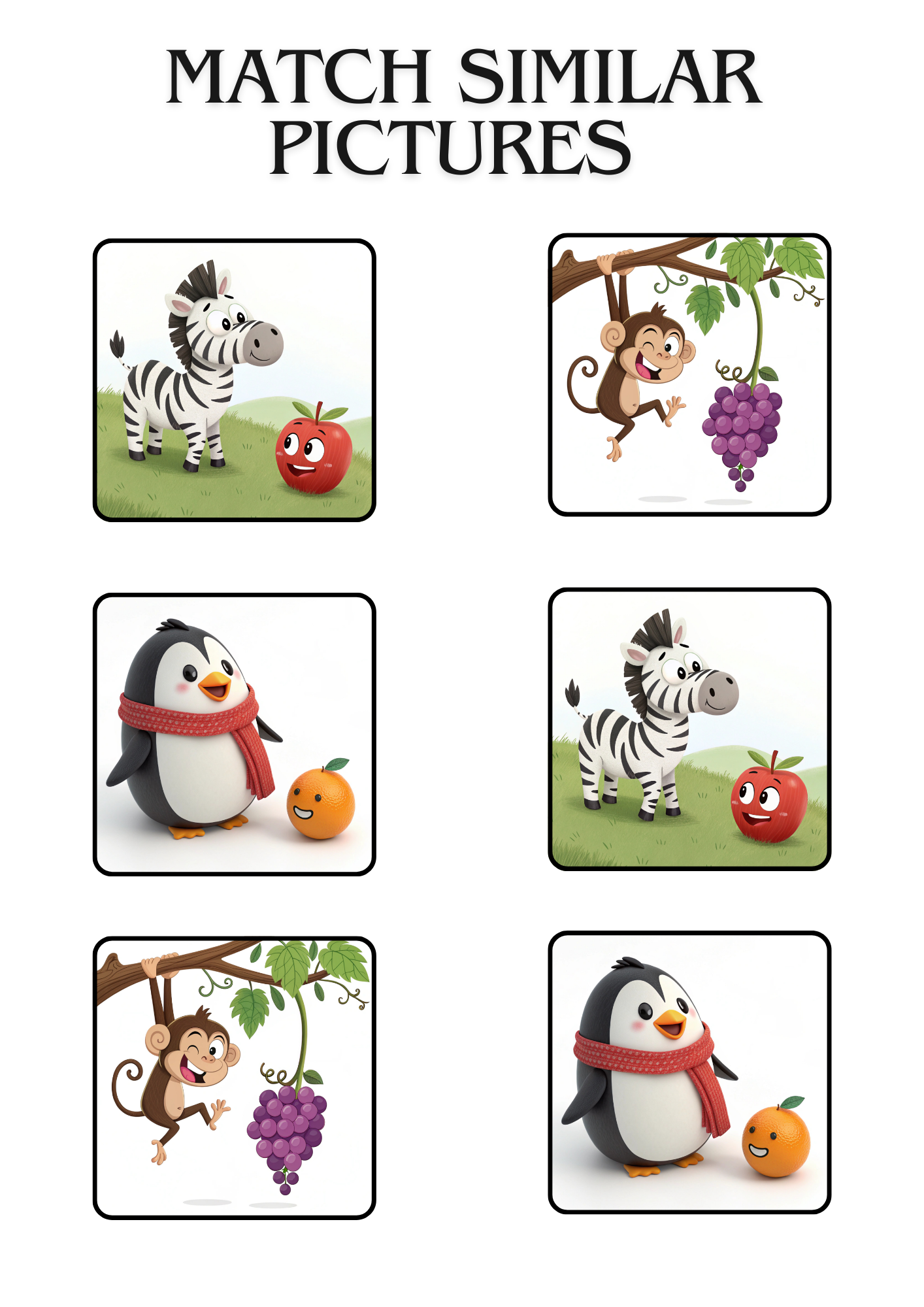
[thrive_link color=’blue’ link=’https://tophassoun.gumroad.com/l/DigitalEducationalColouringActivityforKids’ target=’_self’ size=’medium’ align=”]Buy now[/thrive_link]
Creativity is at the heart of every colouring activity. In a digital format, that creativity is amplified with a wider array of tools, colour palettes, and imaginative environments than any traditional colouring book could offer. Kids can blend colours, add stickers, create patterns, and even animate their artwork with certain apps.
This digital freedom gives children the confidence to explore their imaginations without fear of making mistakes. The ability to undo and redo encourages experimentation and out-of-the-box thinking. A tree doesn’t have to be green; it can be purple, rainbow, or made of stars. In this digital playground, there are no wrong answers—just endless opportunities to express oneself.
Furthermore, some apps allow children to create their own characters or environments, turning them into mini storytellers. This strengthens narrative thinking, emotional expression, and independent thought—skills vital for both academic success and personal development.
Supporting Early Literacy and Numeracy

[thrive_link color=’blue’ link=’https://tophassoun.gumroad.com/l/DigitalEducationalColouringActivityforKids’ target=’_self’ size=’medium’ align=”]Buy now[/thrive_link]
Many parents don’t realise that digital colouring apps can serve as effective tools for building literacy and numeracy foundations. Numerous platforms combine visual stimulation with sound, animation, and interactivity to teach letters, numbers, and basic maths.
Take for instance a colouring app that integrates the alphabet: children may be guided to colour an object that begins with a specific letter while hearing the sound it makes. This multi-sensory experience reinforces phonemic awareness—a key stepping stone in learning to read.
Similarly, apps with counting elements might have children colour a group of five apples, helping them understand quantities and numbers visually. These engaging activities give context to abstract concepts, making them more relatable and easier to understand. When kids are enjoying the process, they tend to retain the information longer, giving them a head start in formal education settings.
Promoting Colour Recognition and Fine Motor Skills
One of the very first lessons children learn through colouring is recognising and naming colours. Digital apps help reinforce this by offering voice cues or prompts. When a child selects the colour red, the app might say, “Red!” out loud. Over time, these visual-auditory associations help young children link colours with names effortlessly.
In addition, using a finger or stylus to colour within digital boundaries promotes fine motor development. Fine motor skills are the small muscle movements in the hands and fingers needed for writing, buttoning shirts, or tying shoelaces. The precision required to colour inside digital lines or trace a shape boosts hand-eye coordination and control.
What’s even more beneficial is that kids often spend longer engaged in digital colouring activities compared to traditional ones, meaning more time practising these essential skills. The interactive nature of digital tools keeps them interested and motivated, which naturally leads to improved physical and cognitive abilities.
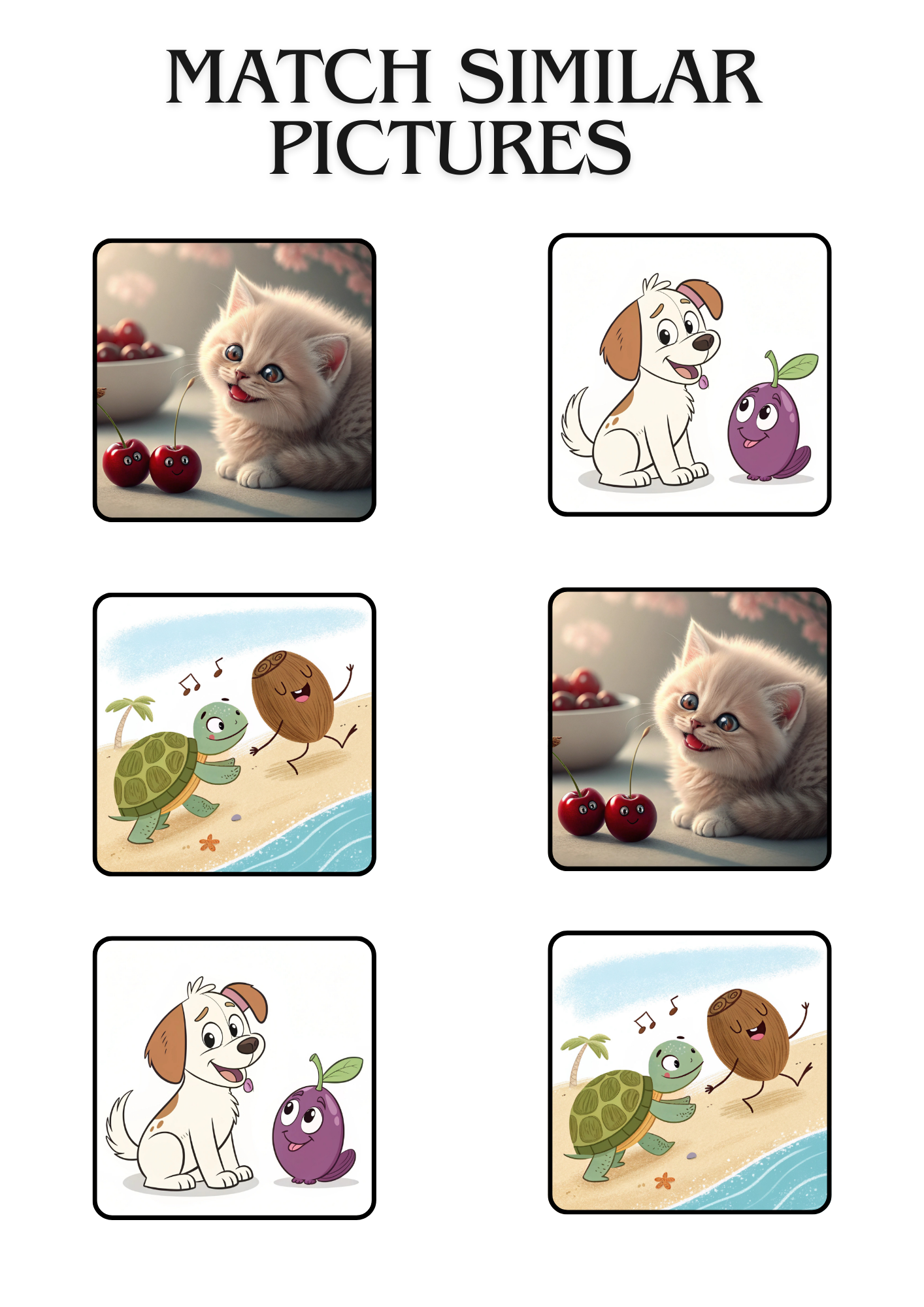
Enhancing Emotional and Social Learning
[thrive_link color=’blue’ link=’https://tophassoun.gumroad.com/l/DigitalEducationalColouringActivityforKids’ target=’_self’ size=’medium’ align=”]Buy now[/thrive_link]
Though it might not be obvious, digital colouring activities can also contribute to a child’s emotional intelligence. Colouring has long been recognised as a calming activity that can help children regulate emotions. Digital apps that feature relaxing music, positive feedback, or soothing animation take this calming effect to the next level.
Moreover, many platforms now allow children to collaborate—either by sharing their creations with family or participating in classroom activities. This opens the door for social interaction, where children can learn to appreciate others’ work, offer compliments, or even work together on shared projects. These interactions foster communication skills, empathy, and teamwork.
Some apps also incorporate emotion-based storytelling, where kids colour scenes that reflect feelings like happiness, sadness, or anger, helping them learn how to express their emotions visually and constructively.
Boosting Concentration and Patience

[thrive_link color=’blue’ link=’https://tophassoun.gumroad.com/l/DigitalEducationalColouringActivityforKids’ target=’_self’ size=’medium’ align=”]Buy now[/thrive_link]
Let’s not underestimate the importance of focus. In a world of instant gratification and constant distraction, digital colouring helps develop concentration and patience. Completing a colouring page—especially one with intricate details—requires attention to detail and sustained effort.
Apps that reward kids for finishing tasks or progressing through levels encourage them to stay focused until the job is done. Over time, this helps build self-discipline and the ability to see a task through, which are crucial skills in both academic and everyday life.
[thrive_link color=’blue’ link=’https://tophassoun.gumroad.com/l/DigitalEducationalColouringActivityforKids’ target=’_self’ size=’medium’ align=”]Buy now[/thrive_link]
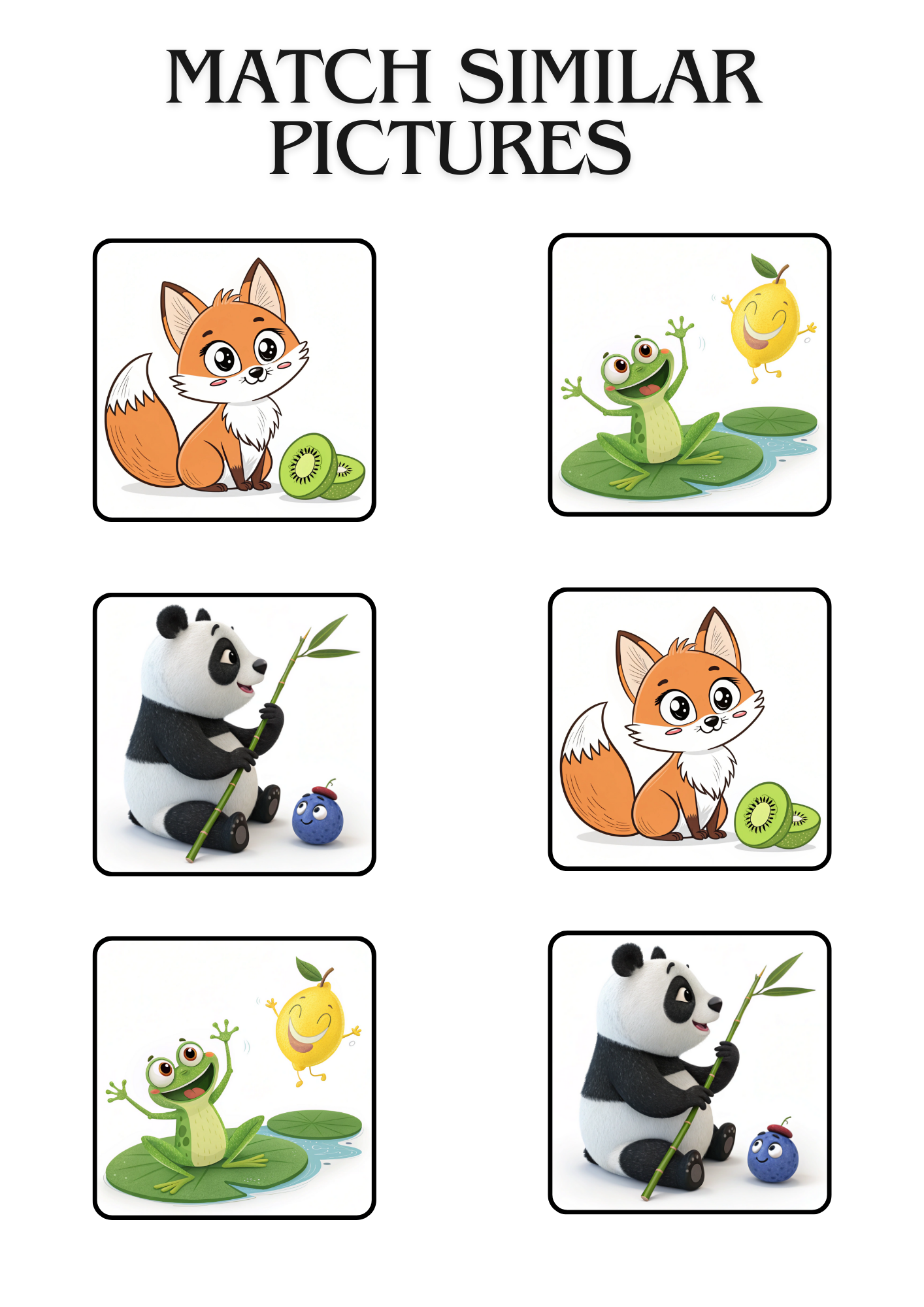
In summary, digital educational colouring activities offer far more than artistic entertainment. They provide a well-rounded, immersive learning experience that touches on cognitive, creative, motor, social, and emotional development. With the right apps and a balanced approach, these tools can significantly support a child’s educational journey from the comfort of home or the classroom.
Would you like me to continue with the next sections of the article?