Introduction: Why Are Story Books for Children More Important Than Ever?
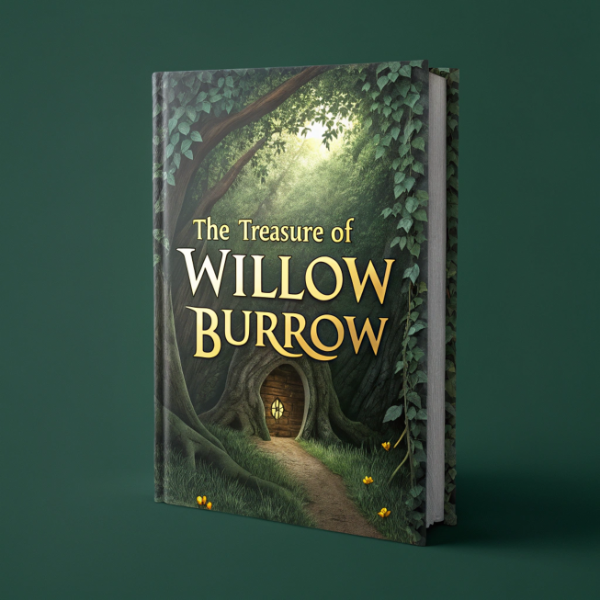
Did you know that children who are regularly read to score up to 30% higher in literacy tests compared to their peers who aren’t? That’s not just a random stat—it’s a compelling reason whystory books for children remain one of the most impactful tools in early development. As parents and educators search for meaningful ways to boost language skills, emotional intelligence, and creativity, storybooks continue to be a timeless, powerful resource.
But what makes these books so special? Why do certain stories captivate young minds while others fall flat? And how can you, as a parent or teacher, choose the best story books for children that leave a lasting impression?
Let’s dive into the essential components of children’s stories, explore the benefits they offer, and discover tips to maximise their potential.
Ingredients List: What Makes a Great Story Book for Children?
[thrive_link color=’blue’ link=’https://tophassoun.gumroad.com/l/TheTreasureof’ target=’_self’ size=’medium’ align=”]Buy now[/thrive_link]
Choosing the right storybook is like preparing a delicious meal—it’s all about having the right ingredients in just the right amounts. Here are the must-haves:
-
Engaging Characters: Children connect emotionally with characters. Whether it’s a talking animal, a superhero kid, or a curious princess, the character needs to be relatable and memorable.
-
Simple Yet Powerful Language: The vocabulary should challenge a child just enough to learn something new, but still be understandable and fun.
-
Vivid Illustrations: Visuals are crucial. Bright, colourful illustrations help with comprehension, retention, and emotional engagement.
-
Moral or Message: A story that teaches kindness, bravery, or patience can leave a lasting impact.
-
Interactive Elements: Books with questions, flaps, or rhymes invite children to participate and engage more deeply.
-
Age Appropriateness: Stories should align with the child’s developmental stage, both in language and content.
Substitutions & Extras:
-
Swap long books with short bedtime tales for toddlers.
-
For older kids, try chapter books with themes of adventure or fantasy.
-
Consider audiobooks or e-books for children who enjoy screen time or have visual impairments.
These ingredients aren’t just literary fluff—they’re proven elements that enhance comprehension, attention span, and emotional growth.
Timing: When and How Long Should Children Read Story Books?
[thrive_link color=’blue’ link=’https://tophassoun.gumroad.com/l/TheTreasureof’ target=’_self’ size=’medium’ align=”]Buy now[/thrive_link]
Skipping Story Time When Busy
So how much time should be spent reading story books for children? According to a 2023 UK study, even just 15 minutes a day can dramatically improve a child’s vocabulary, focus, and imagination. That’s the magic window—short enough to fit into a busy day, long enough to make a meaningful impact.
Reading Time Breakdown:
| Age Group | Recommended Reading Time | Best Time to Read |
|---|---|---|
| 0-2 years | 5-10 minutes/day | Bedtime or nap time |
| 3-5 years | 10-20 minutes/day | Bedtime or after lunch |
| 6-8 years | 20-30 minutes/day | Evening or after school |
| 9-12 years | 30-45 minutes/day | Before bedtime or early morning |
Reading before bedtime is particularly effective—it not only helps children wind down, but it also establishes a comforting routine.
Fun Fact: Reading for just 20 minutes daily exposes a child to 1.8 million words a year. That’s more than enough to build a strong vocabulary foundation for life.
Step-by-Step Instructions: How to Read Story Books to Children Effectively
Step 1: Choose the Right Book
Go for age-appropriate books with a theme that interests your child—whether it’s dinosaurs, fairies, or space.
Step 2: Set the Mood
Find a quiet, cosy spot with minimal distractions. Dim the lights slightly to signal it’s story time.
Step 3: Read with Expression
Use different voices, pauses, and facial expressions. Make the characters come alive!
Step 4: Encourage Participation
Ask questions like, “What do you think happens next?” or “Have you ever felt like that?”
Step 5: Reflect and Discuss
After the story, chat about the characters, lessons, or new words. This strengthens comprehension and emotional connection.
Extra Tip: Create a reading ritual—like a special chair or a bedtime story lamp—to make the experience even more magical.
Nutritional Information: What Do Story Books for Children Really Offer?
You won’t find calories in storybooks, but you will find brain food—and lots of it. Here’s what a daily dose of story books for children delivers:
| Benefit | Details |
|---|---|
| Language Development | Expands vocabulary, introduces grammar and sentence structure. |
| Emotional Intelligence | Helps kids recognise and understand emotions through characters. |
| Cognitive Skills | Boosts memory, comprehension, and logical thinking. |
| Creativity | Inspires imagination through storytelling and fantasy elements. |
| Social Skills | Encourages empathy and perspective-taking by exploring different characters and situations. |
According to research by the National Literacy Trust, reading for pleasure is more likely to determine a child’s future success than socio-economic background. So yes, bedtime stories are more powerful than you think.
Ignoring Your Child’s Preferences